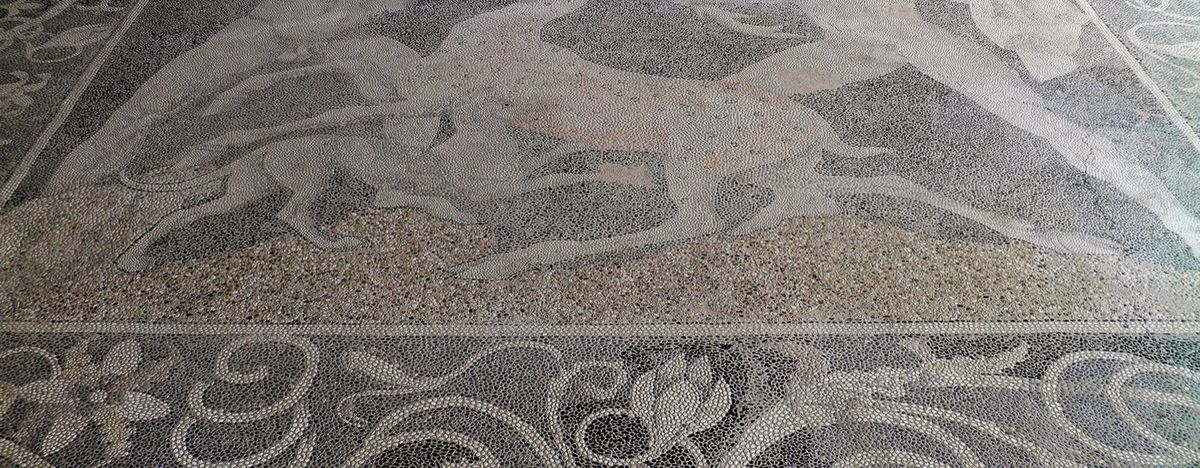
The book, like the spoon, belongs to those objects that are invented once and for all
November 2025
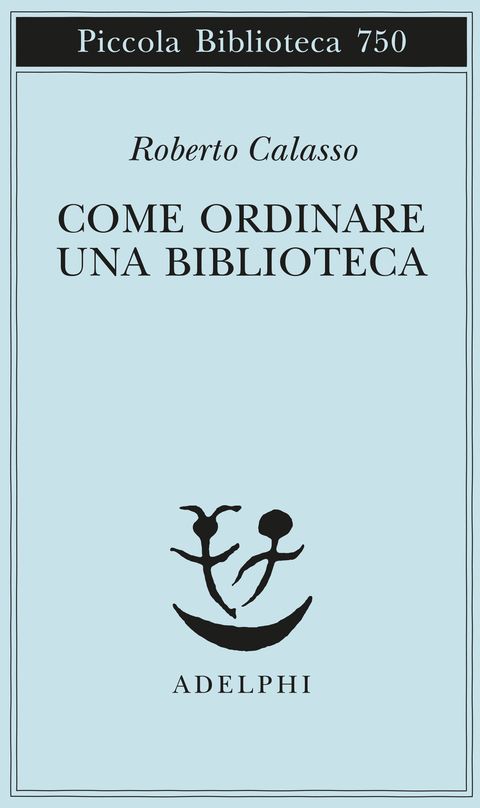
How to Organize a Library, by Roberto Calasso
Monsieur Teste, Paul Valéry
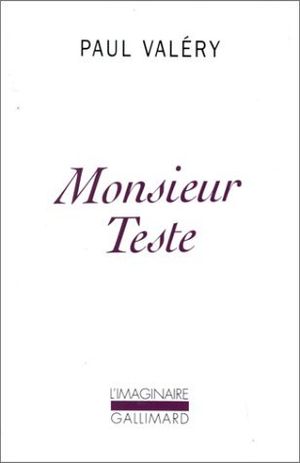
A dense book, loaded with meaning. Fragmented, drawn from writings and letters and notes from different times and contexts. This character, Monsieur Teste, is a pataphysical opposite: he dominates reason, while material action remains foreign to him. Toward the end, the question of the demon: it proves to be still the same person you believed you were.
The description of the train journey that inevitably leads to modern literature is wonderful.
The Cult of the Dead, by Henry James
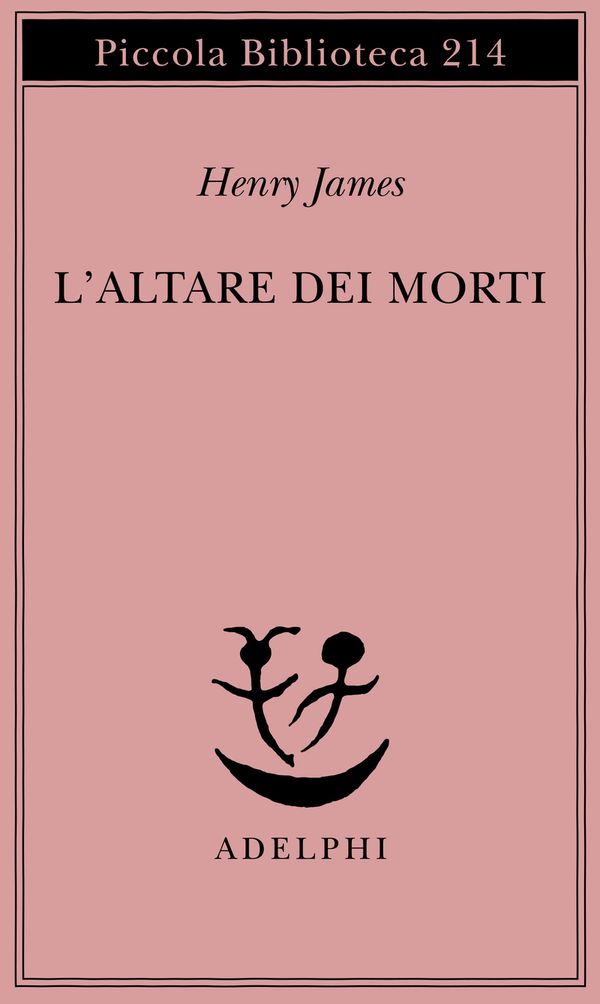
A novel of incredible intimate timeliness and social oblivion. The way we relate to the death of loved ones. The book loses itself in a series of forced coincidences, which undermine the claim to realism necessary for literature. It is very commendable that within such a brief little book, decades are recounted. Not a speech, not a dialogue, only a description of the protagonist's inner state. Hints at his life make us understand that he is wealthy, but nothing more. A non-character who acts and interacts with his dead and his living. Even his past is only hinted at. What remains crucial, beyond the relationship of the living with their dead, is the relationship of the individual with others. The protagonist designs with maniacal care an inner temple. In this way he makes it evident, objective, real. Thus it can be internalized by others, giving rise to misunderstanding between him and the woman with only one dead.
The Celestial Hunter, by Roberto Calasso
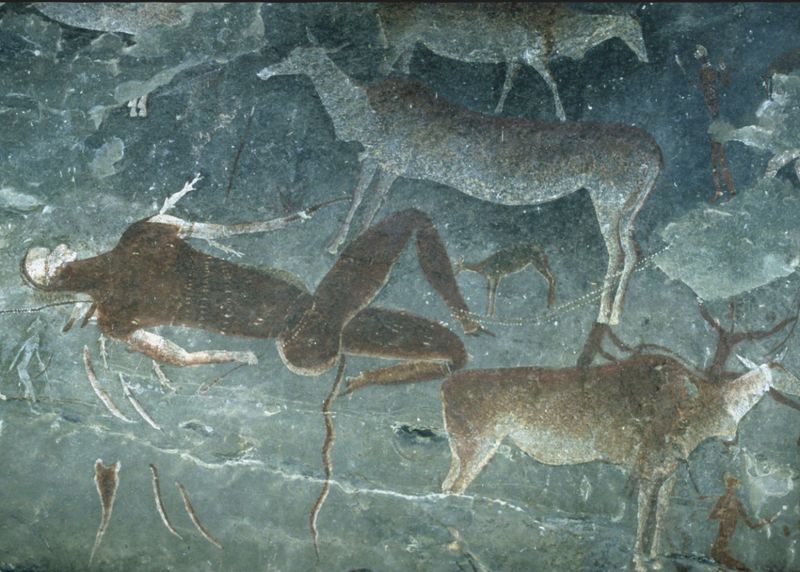
A dense, metamorphic, mystery-laden book. Myth offers two contradictory realities: one must find a way to accept both. Every hero must kill a monster, every hero must become that monster.
Simulation, imitation, possession, metamorphosis: the rose of winds of the psyche. And a serpent biting its tail. These are kindred powers: sometimes they amalgamate, sometimes they oppose, sometimes they barely touch. Where they act, it is easy to become confused. The art of distinguishing them was called the discernment of spirits.
I reflect... And is it very different from that practice which consisted (and still consists) in consulting the "spirits"? Waiting in front of a table, a deck of cards, an idol or a drowsy and groaning Pythia, or instead in front of what is called "ourselves"...
Paul Valéry, cited by Calasso
Literature is the place of what is not binding
Only the index, the sequence of chapters can give an idea of the journey within this epic:
- I. Time of the Great Raven
- II. The Sovereign of Animals
- III. The javelin with the golden point
- IV. The brief age of heroes
- V. Sages and predators
- VI. The last night of Zeus on earth
- VII. Suma fui
- VIII. Night Council
- IX. The night of the hermocopids
- X. The contemplant
- XI. Statues
- XII. O Egypt, Egypt...
- XIII. The divine before the gods
- XIV. The return to Eleusis